What if your everyday care products were alive, therapeutic and regenerative?

NextSkins creates new living interfaces composed of layers with dedicated, specialised functions including protection, sensing, mechanical strength, regeneration, and therapeutic response. Our aim is to establish platform technologies to advance biological engineered living materials and make two proof-of-concept materials with different applications: Living Therapeutic Material (LTM) and Living Regenerative Material (LRM).

We develop skin-inspired engineered living materials for everyday

Nextskins ELM 1

Living Theurapatic Materials for Skin

Living Regenerative Materials for Protective Applications

Nextskins ELM 2

This is what we are working on.

We are generating novel living materials based on a grown matrix hosting engineered multicellular consortia that build and functionalise these different layers. Spatiotemporal patterning is realised by genetic control and the physicochemical properties of cells and biomolecules.

As a powerful strategy to accelerate the adoption of our living materials in society, we will systematically involve the potential end- users and designers in our research for the materials and product development to happen in synergy.

Living Therapeutic Material (LTM)

Our living therapeutic material is designed to be used as a wearable patch for the dynamic and responsive treatment of skin-based disorders. At its core is a hydrated layer of nanocellulose produced from safe bacteria and containing living yeast cells that respond to diffusible cues. Its top layer will consist of hydrophobic proteins and other biomolecules produced by yeasts that form an external barrier to prevent the material dehydrating when being worn.

The bottom layer is designed to interact with the wearer’s skin and their skin microbiome, containing computationally designed proteins that release signal factors to the material core when they encounter destructive enzymes like those seen during skin microbiome disorders. The three-layer material is designed to be grown from a community of engineered yeast and bacteria that are typically found in kombucha brewing. We plan to demonstrate this as a therapeutic material for treatment of atopic dermatitis.

Living Regenerative Material (LRM)

The Living Regenerative Material (LRM) is a solid composite material with high toughness and impact resistant qualities. LRM shows multifold advantages over traditional inert materials (ceramics, plastics) in protective garments. It is designed such that it can regenerate itself and achieve local self-reinforcement in mechanically stressed regions, a unique property compared to current materials and other engineered living materials (ELMs).

Further, it is based on a sustainable fabrication method, and consists of fully biocompatible nontoxic components. It is composed of biomineralized biopolymers hosting bacterial spores. The core of the LRM is arranged in microscale layers of minerals, reminiscent of the highly tough biominerals in nature (nacre, bone, dentin). LRM is encapsulated in an activator shell, engineered to prevent water penetration and to memorize local mechanical experience, providing the local self-reinforcement.

EIC

The EIC, the European Innovation Council, is an EU funding body which aims at identifying and supporting breakthrough technologies and game changing innovations with the potential to scale up internationally and become market leaders. It supports all stages of innovation from R&D on the scientific underpinnings of breakthrough technologies, to validation and demonstration of breakthrough technologies and innovations to meet real world needs, to the development and scaling up of start-ups and small and medium-sized enterprises (SMEs).

Financial support by EIC is provided through three main instruments: the ‘Pathfinder’ for advanced research on breakthrough / game-changing technologies; ‘Transition’ for transforming research results into innovation opportunities; and the ‘Accelerator’ for individual companies to develop and scale up breakthrough innovations with high risk and high impact. All EIC funded projects and companies, as well as selected applicants, have access to a range of EIC Business Acceleration Services providing access to leading expertise, corporates, investors and ecosystem actors.

Pathfinder Challenge 3: ELM:

Under the Horizon Europe programme (2021-2027) the EIC pathfinder instrument will know several so called challenges. Challenge calls are more specific than general pathfinder calls and they are likely to be a one time event. The NextSkins consortium receives funding through the EIC pathfinder challenge 3 “ELM”: Engineered Living Materials. This call has two main objectives: (1) to support the development of new technologies and platforms enabling the controlled production of made-on-demand living materials with multiple predictable dynamic functionalities, shapes and scales and (2) to build a community of researchers and innovators in ELMs through portfolio’s activities.

“We collaborate with life in the interest of planet and society”

Team Nextskins

Meet the team

Dr. Marie-Eve Aubin-Tam

Marie-Eve Aubin-Tam is leading a research group in the Bionanoscience department at TU Delft (Netherlands) since 2012. She obtained her Ph.D. in biological engineering at the Massachusetts Institute of Technology (MIT) in 2008, and then followed by a Postdoc in single-molecule biophysics also at MIT. Her expertise lies at the interface of biophysics and material science. She seeks to understand the physics and biology of living matter, and then use this knowledge to develop material with superior performance, as well as new production methods that are more sustainable. Together with her team, she pioneered the use of bacterial manufacturing of biomimetic nacre-like CaCO3 layered high-performance materials.

Prof. Markus Linder

Markus Linder is Professor in Biomolecular Materials at Aalto University. Markus worked previously as a research professor at VTT Technical Research Centre in Finland. His research has focused on protein engineering on cellulose degrading enzymes, hydrophobins, and structural proteins such as silks. A long term aim has been to use engineered proteins as components in materials and his research has through this had a strong focus on materials such as cellulose, graphene, and composites. In the NextSkins project he works on integrating protein functionalities in living materials by production in different coexisting microbial strains.

Prof. Tom Ellis

Tom Ellis is Professor in Synthetic Genome Engineering at Imperial College London. Tom has a degree in Molecular Biology from Oxford University and a PhD in DNA-binding Pharmacology from Cambridge University. Tom worked in a drug development company in London, then spent two years as a postdoc investigating synthetic biology at Boston University before starting his own group at Imperial College London. His research team develop synthetic biology and genome engineering tools for Baker’s yeast, bacteria and mammalian cells and apply these in projects to make therapeutic molecules, biological sensors and engineered living materials (ELMs).

Prof. Elvin Karana

Elvin Karana is Professor of Materials Innovation and Design at TU Delft, The Netherlands, where she founded and directs the Materials Experience Lab. Giving emphasis to materials’ role in design as experiential and yet deeply rooted in their inherent properties, Elvin explores and navigates the productive shifts between materials science and design for materials and product development in synergy. In 2019, she founded the creative biodesign research lab Material Incubator, that aims at designing materials that incorporate living organisms and exploring their potential in fostering an alternative notion of the everyday.

Previous contributors

Advisory board

NEXTSKINS is supported by an advisory board consisting of people and companies from a wide array of disciplines and with varying expertise. They provide advice and feedback on all aspects of the project to aid NEXTSKINS to reach its full potential and maximise impact and output. Here are some, but not all of our advisory board members.

Main Work Packages

Background publications

Dr. Marie-Eve Aubin-Tam

Scalable bacterial production of moldable and recyclable biomineralized cellulose with tunable mechanical properties.

Read publication online
Download publication PDF

Dr. Marie-Eve Aubin-Tam

Bioprinting of regenerative photosynthetic living materials.

Read publication online
Download publication PDF

Dr. Marie-Eve Aubin-Tam

Bioproduced polymers self-assemble with graphene oxide into nanocomposite films with enhanced mechanical performance.

Read publication online
Download publication PDF

Prof. Markus Linder

Recombinant protein condensation inside E. coli enables the development of building blocks for bioinspired materials engineering – Biomimetic spidersilk protein as a case study.
Read publication online
Download publication PDF

Prof. Markus Linder

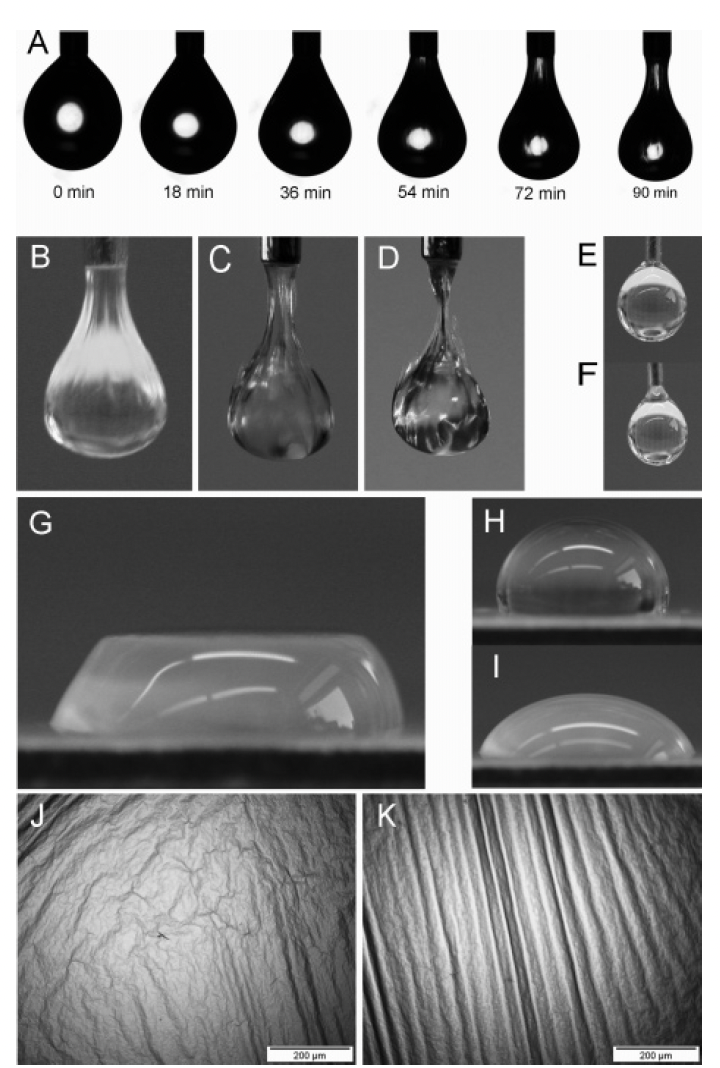
Self-Assembled Hydrophobin Protein Films at the Air-Water Interface: Structural Analysis and Molecular Engineering.

Download publication PDF

Prof. Markus Linder

Biomimetic composites with enhanced toughening using silk-inspired triblock proteins and aligned nanocellulose reinforcements.

Download publication PDF

Prof. Tom Ellis

Living materials with programmable functionalities grown from engineered microbial co-cultures.

Read publication online
Download publication PDF

Prof. Tom Ellis

Bacterial cellulose spheroids as building blocks for 3D and patterned living materials and for regeneration.

Read publication online
Download publication PDF

Prof. Tom Ellis

Komagataeibacter Tool Kit (KTK): A Modular Cloning System for Multigene Constructs and Programmed Protein Secretion from Cellulose Producing Bacteria.
Read publication online
Download publication PDF

Prof. Dr. Elvin Karana

Material Driven Design (MDD): A Method to Design for Material Experiences.

Download publication PDF

Prof. Dr. Elvin Karana

Living Artefacts: Conceptualizing Livingness as a Material Quality in Everyday Artefacts.

Download publication PDF

Prof. Dr. Elvin Karana

Flavorium: An Exploration of Flavobacteria’s Living Aesthetics for Living Color Interfaces.

Read publication online

Nextskins publications

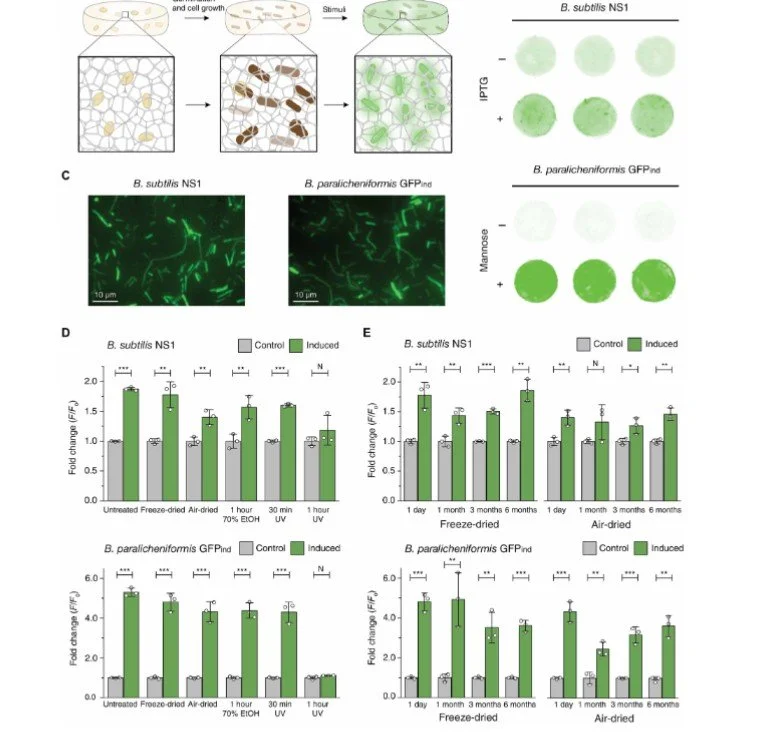
SubtiToolKit: a bioengineering kit for Bacillus subtilis and Gram-positive bacteria
Download publication PDF

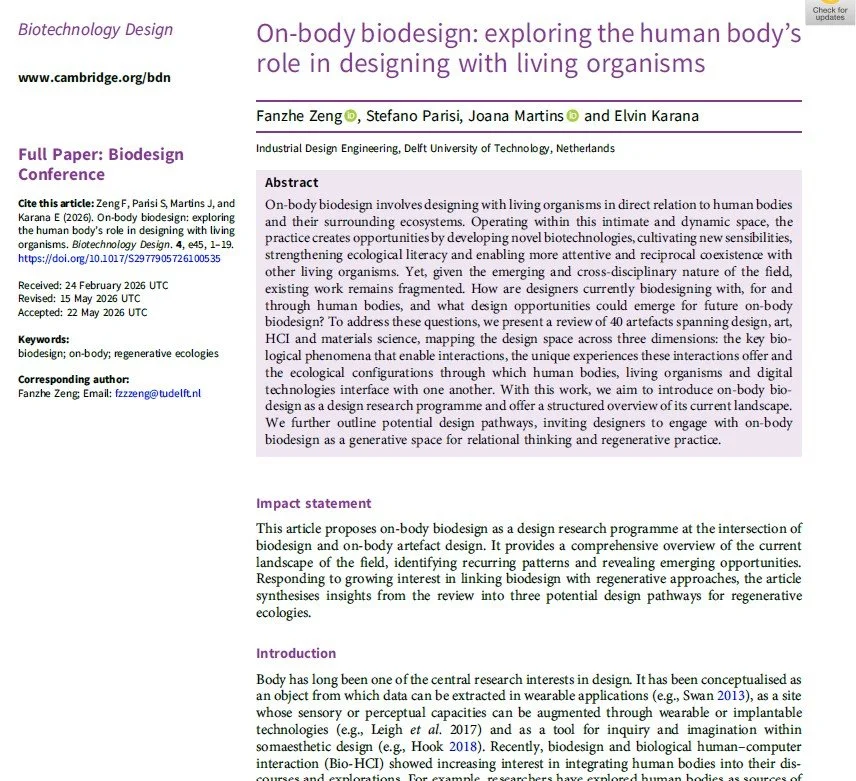
Living Artefacts for Regenerative Ecologies
Download publication PDF

Leveraging the Versatile Properties of Bacterial Spores in Materials
Download publication PDF

Surfacing Livingness in Microbial Displays
Download publication PDF
Designing Living Artefacts for Multispecies Interactions
Download publication PDF

Living artefacts for regenerative ecologies
Download publication PDF

EIC ELMs Portfolio

NEXTSKINS is part of a portfolio of projects funded under the Engineered Living Materials Pathfinder Challenge by the European Innovation Council and started on November 2022
Please check out https://eic.ec.europa.eu/eic-portfolios/health_en#engineered-living-materials-elms where all the projects in the portfolio are listed and where a link to the portfolio’s output is provided.

With this Pathfinder ELMs Challenge the EIC seeks to seize the opportunity to position strategically Europe at the forefront of the ELMs field. This Pathfinder Challenge aims to overcome the technological challenges to harness the engineering potential of nature for materials’ production. The specific objectives of Pathfinder ELMs Challenge are to support the development of new technologies and platforms enabling the controlled production of made-on-demand living materials with multiple predictable dynamic functionalities, shapes and scales; and to build a community of researchers and innovators in ELMs.

ELMs projects funded from the EIC Open calls actively contribute to the Portfolio activities with the aim to advance the scientific and technological development of ELMs and promote its dissemination across Europe, increase the visibility of the ELMs community internationally by sharing knowledge and building partnerships, engage with regulatory bodies to address ELMs portfolio needs, address ethical, legal and social aspects through early engagement with policymakers and the public, and to assess and address the need for standardization in the ELMs portfolio, identify barriers to the adoption and commercialization of ELMs and engage with stakeholders, guided by responsible research and innovation methods.”

“NEXTSKINS” is part of a portfolio of projects funded under the Engineered Living Materials Pathfinder Challenge by the European Innovation Council and started on November 2022.

List of projects:

Downloads:

Updates:

ELM Portfolio Playlist

This video shows NextSkins coordinator Marie-Eve Aubin-Tam introducing the project. The video is part of a series showcasing all ELM related projects in the Portfolio.

EIC-EMA Workshop on the Regulatory Framework of ELMs (2025)

On February 6, 2025, we were thrilled to see several pioneering projects from the EIC ELMs Portfolio—PRISM-LT, -LoopOfFun-ELMs, NextSkins, Bio-HhOST, BioRobot-MiniHeart, ISOS Project EU, Bioaction EU, REMEDY —participate in the EIC-EMA Workshop on the Regulatory Framework of Engineered Living Materials (ELMs).

Co-organized by the European Innovation Council (EIC) and the European Medicines Agency (EMA), this workshop served as a vibrant exchange platform for ELM researchers to explore regulatory challenges. These innovative materials are set to transform medicine and biotechnology, marking a critical milestone for ELMs in Europe.

With keynotes from Barbara Gerratana (EIC), Orsolya Symmons (EIC), and @Costantinos Ziogas (EMA), the event ignited insightful discussions. The panel, co-moderated by Falk Ehmann (EMA) and Laura Martinelli (PRISM-LT, INsociety), delved into essential topics like:

🔍 ELM product classification and approval pathways

🛡️ Safety and compliance requirements

🔬 Clinical trials for bioprinted and engineered tissues

📜 EMA’s guidance on ATMPs

This interactive session encouraged a plethora of questions and underscored the imperative for ongoing regulatory dialogue as ELM technologies continue to evolve. The workshop provided valuable insights into the changing regulatory landscape, highlighting the necessity for continuous collaboration among innovators, regulatory bodies, and industry stakeholders.

Engineered Living Materials Portfolio year 2 progress report (2024) and year 3 plans (2025)

Discover the progress made by the EIC ELMs Portfolio in advancing living materials technology and shaping Europe’s leadership in this field. This report highlights key achievements since the 2023 strategic plan and outlines the objectives for the third year of the Portfolio.

Click here to go to the original link of the document.

EIC ELMs Second Annual Meeting (Sept 2024).

The EIC ELMs portfolio held its second annual meeting on September 18 in Saarbrücken, Germany. There were 140 attendees, including 33 representatives of the EIC ELMs portfolio projects BioRobot-MiniHeart, Bio-HhOST, Fungateria, NextSkins, LoopOfFun and Sumo, and participants of the 4th International Conference on Engineered Living Materials including recent awardees of the Programme priority in ELMs of the German Research Foundation.

It was a day of exciting science, opportunities to launch collaborations and a unique occasion to showcase the EIC ELMs portfolio projects to the ELMs community. Several members of the EIC ELMs Portfolio including EISMEA representative attended the 4th International Conference on Engineered Living Materials. The EIC had a stand at the conference that was used to showcases material and microfluidics samples from LoopOfFun, Fungateria, NextSkins and Bio-HhOST projects.

The EIC ELMs Portfolio Video thanks to the Horizon Results Booster (2024)

Discover how each project in the EIC ELMs portfolio aims to develop cheaper and more sustainable materials using living materials in a new video by Horizon Results Booster (a free service of the European Commision). The projects are pushing the technological boundaries in developing ELMs working together to overcome challenges and position Europe’s ELMs at the forefront of scientific and technological developments in the field.

EIC ELM Third Annual Meeting (oct 2025) + new promotional video

The EIC ELMs portfolio held its third annual meeting on October 1-2, 2025 in Izola, Slovenia. The event drew together researchers and industry partners to explore the frontiers of ELMs. The event was packed with engaging presentations, poster session, dynamic workshops, and rewarding networking opportunities, all enhancing collaboration within our vibrant ELMs community. Projects participating were BioRobot-MiniHeart, Bioaction, Bio-HhOST, Fungateria, ISOS, LoopOFFun, NextSkins, PRISM-LT, REMEDY and SUMO.

 The meeting was hosted and organized by REMEDY Project and its coordinator, Anna Sandak. A significant contribution was made by the Path to Market workgroup led by Eveline Peeters and Lars Dittrich of Fungateria. The EIC PO and PM contributed with the organization of the Regulatory session. There were 64 people who attended the event in person, including 6 invited experts, the EIC PO and PM, and 27 EIC ELMs early career researchers (PhD students or post-docs). In addition, most of the sessions were hybrid and 21 additional EIC ELMs researchers attended online.

The EIC created a new video to showcase all research consortia connected to the ELM theme.
For more information, please visit the official EIC website at https://eic.ec.europa.eu/eic-portfolios/health_en#engineered-living-materials-elms

Engineered Living Materials Portfolio Brochure (2024)

Discover why the European Innovation Council (EIC) is prioritizing portfolio management to boost Europe’s technological autonomy. Learn which are the projects in the portfolio working on common research interests and challenges to increase the chances of success.

Click here to go to the original link of the document.

EIC ELMs 1st Annual Meeting (Jan 2024)

The first Annual Meeting has held on 17/01/2024 at the EISMEA HQ in Brussels, Belgium. Attendance was 30 in person participants and a consistent presence online of 30 participants until the end. Representatives from Bio-HhOST and Enlight, two Open projects, attended the event in person, while online there were representatives from CyGenTiG, another Open project, and 4 staff from EMA.

November 2023 – ELMs Portfolio Unveils Comprehensive Strategic Plan

A milestone within the EIC ELMs portfolio has been reached: the official Strategic Plan for ELMs, created by our Programme Manager and Project Officer is now available. The Strategic Plan outlines key activities, providing a roadmap to transform ELM technologies into impactful innovations. It reflects our commitment to effective portfolio management, ensuring our groundbreaking research translates into real-world solutions.

Download PDF

News

Here’s where we’ll keep you updated on our latest developments, breakthroughs, and behind-the-scenes insights. We’ve just published our first article—and there’s more to come. Stay tuned as we continue to share what we’re working on, the progress we’re making, and the ideas driving the future of sustainable skin-inspired materials.